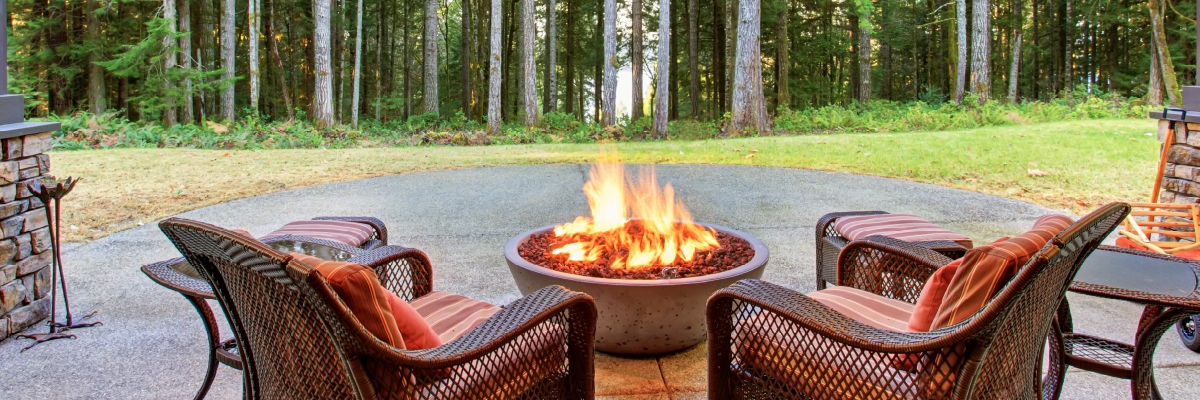
Tips for Buying a Recreational Investment Property
Investing in a recreational property, like a vacation home or a cottage, can offer the potential for rental income as well as a personal getaway when it’s not rented out. To maximize your vacation home’s investment potential, consider these key tips:
1. Choose a High-Demand Location
- Location is critical.
- Choose an area that attracts tourists and has strong demand for vacation rentals.
- Is the property close to natural attractions and amenities?
- Is it easily accessible?
Tip: Look for locations with a mix of seasonal and year-round attractions to maximize occupancy throughout the year.
2. Prepare for Seasonal Variations
- Be aware of seasonal fluctuations in demand for recreational properties.
- Know that properties near ski resorts can charge more during the winter, while lakefront properties peak in summer.
- Research historical rental data and adjust prices accordingly.
Tip: Use higher rates during peak seasons to offset periods of low demand, and lower prices during off-seasons to attract visitors. Budget accordingly for fluctuating income.
3. Check Zoning Laws
- Ensure the property is zoned for rental use and there are no restrictions on short-term rentals.
- Some regions have specific regulations governing vacation rentals, including licensing requirements and occupancy limits.
Tip: Consult with local zoning authorities and a real estate attorney to verify the property meets all legal requirements for rental use.
4. Prioritize Proactive Maintenance
- Recreational properties often require more maintenance than traditional investment properties, especially in remote or rural areas.
- Factor in costs for cleaning, repairs, and managing utilities.
- Proactive maintenance can prevent costly issues in the future.
Tip: Establish agreements with local service providers for routine maintenance and timely repairs.
5. Assess Rental Potential
- Evaluate the rental potential by analyzing similar rentals in the area:
- Look at occupancy rates, rental prices, and guest reviews.
- Use data from online rental platforms and local property managers to gauge demand.
Tip: This analysis will help determine if the property is a viable investment and how much rental income you can realistically expect.
6. Shop Around for Financing
- Lenders may require larger down payments or impose higher interest rates on loans for vacation properties.
- Work with a mortgage broker experienced in recreational property financing to find better loan terms.
Tip: Explore different financing options before making a decision to ensure you get the best deal.
7. Consider Tax Implications
- Rental income from recreational properties and proceeds from sales have tax implications.
- Understand how rental income is taxed and what deductions you can claim (e.g., mortgage interest, property taxes, maintenance).
Tip: Consult with a tax advisor to optimize your tax strategy and estimate annual taxes. Keep detailed records of all income and expenses related to the property for easy tax reporting.
Bonus Tip: Plan Personal Use Strategically
- If you plan to use the property for personal vacations, limit personal use to low seasons or periods when it’s not booked.
Tip: This maximizes your income potential while still allowing personal enjoyment of the property.
Final Thoughts
Assess all aspects of buying and managing a recreational investment property before committing, to ensure the property meets both your financial and personal goals.